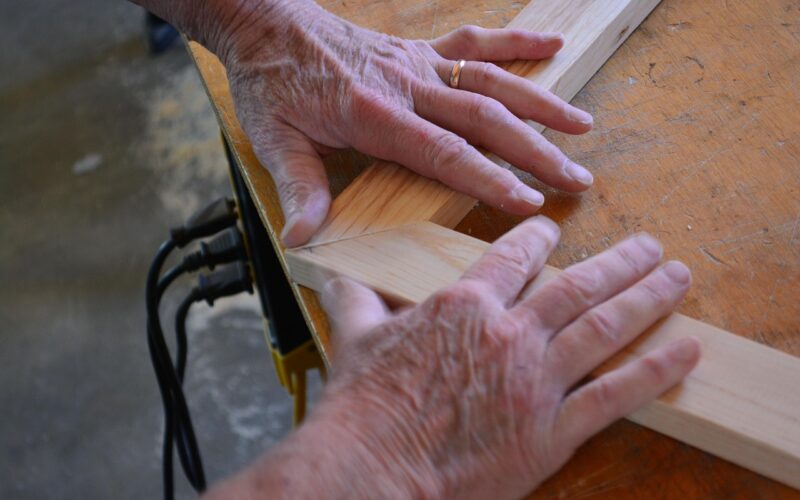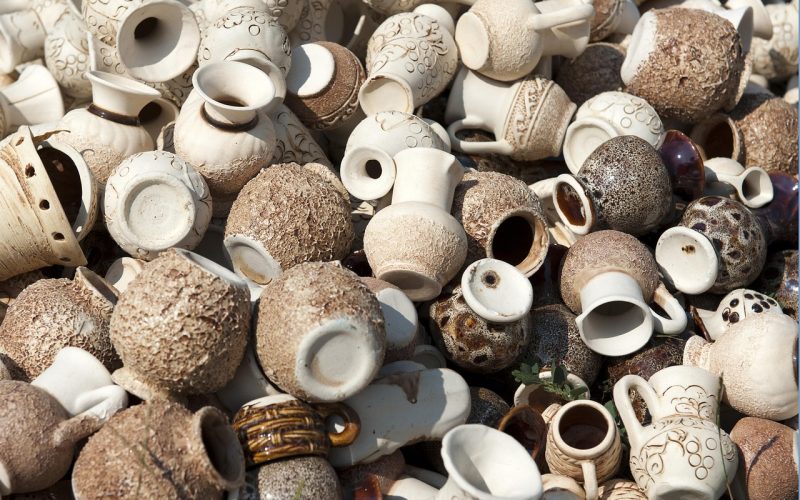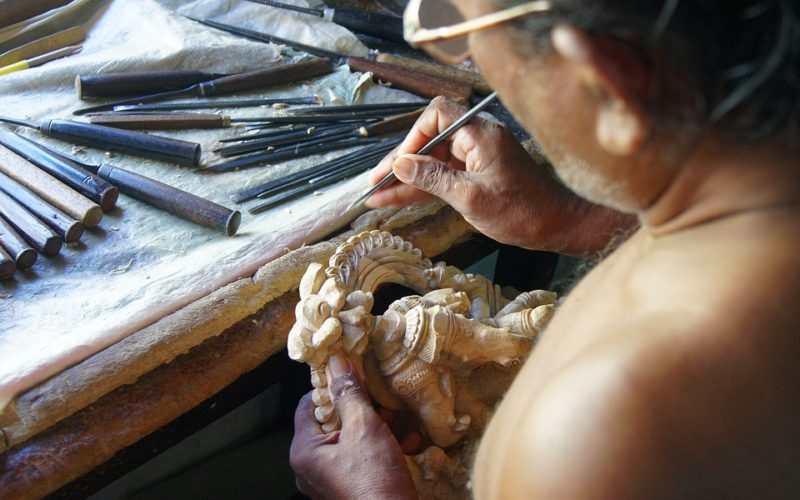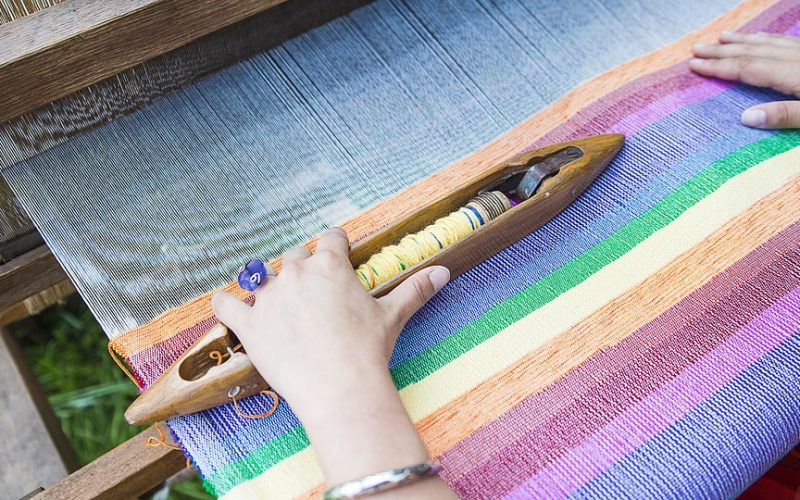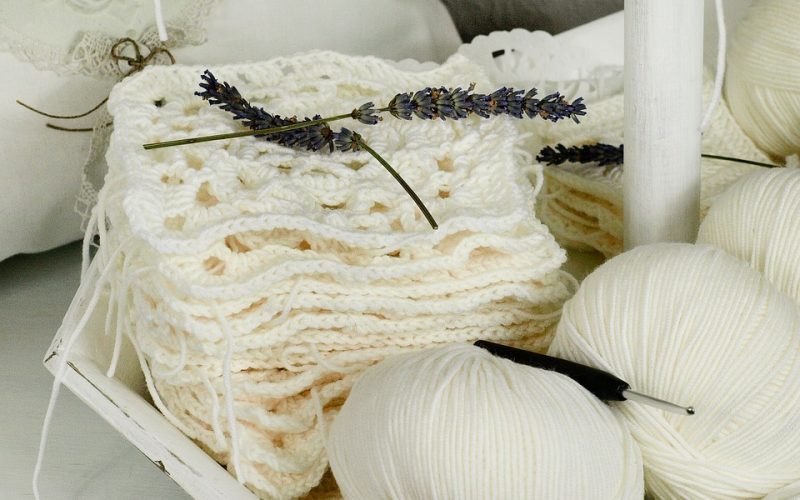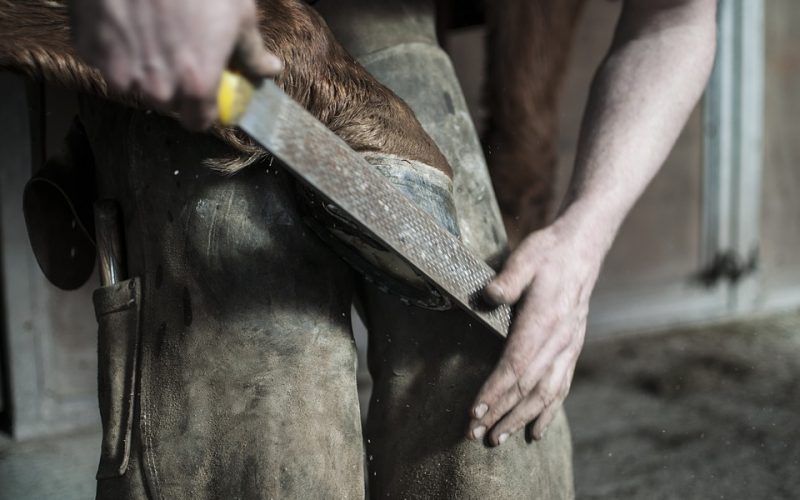
Knitting needles are clicking again in living rooms across the country. Pottery wheels are spinning in garages. Woodworking benches are being dusted off and put back to use. After decades of decline, traditional crafting skills are experiencing a remarkable revival — and the reasons behind it are more interesting than you might think.
A reaction to the digital age
Much of modern life plays out on screens. We work, socialise, shop, and entertain ourselves through devices that offer little in the way of tangible output. Crafting offers something different: a physical product you can hold, use, and be proud of. For many people, spending an evening hand-stitching a quilt or throwing a clay bowl provides a sense of accomplishment that scrolling through a feed simply cannot replicate.
The role of social media
It may seem paradoxical, but social media has played a significant role in bringing old crafts back to life. Platforms like TikTok, Instagram, and YouTube have given skilled makers a global audience. A weaver in rural Scotland can now share her techniques with hundreds of thousands of viewers, many of whom are inspired to pick up a loom themselves. Search volumes for terms like "how to crochet" and "beginner bookbinding" have grown steadily over the past few years, suggesting that online content is actively driving people to try new crafts.
Mental health and mindfulness
There is growing evidence that repetitive, hands-on activities can have a calming effect on the mind. Crafting requires focus and rhythm — qualities that help quiet anxious thoughts and encourage a state of flow. Organisations such as the NHS have begun acknowledging the therapeutic potential of creative hobbies, and community craft groups are increasingly being used in social prescribing programmes to combat loneliness and low mood.
Sustainability and the slow living movement
Concerns about fast fashion and disposable goods have also nudged people towards making their own. Learning to mend a torn garment or sew a set of curtains from scratch is both economical and environmentally conscious. The slow living movement, which encourages a more deliberate and intentional approach to everyday life, has embraced traditional crafts as a natural extension of its values. Making something by hand takes time — and that, for many, is precisely the point.
Passing skills down the generations
One of the more heartening aspects of this revival is the intergenerational exchange it has sparked. Grandparents who once assumed their knowledge of lacemaking or leatherwork would die with them are now being sought out as teachers. Community workshops, online tutorials, and local craft fairs have all become spaces where older expertise is valued and shared. Skills that seemed destined to disappear are finding new life in the hands of younger generations eager to learn them.
A craft for everyone
The range of skills enjoying renewed interest is surprisingly broad. Candle making, natural dyeing, basket weaving, calligraphy, macramé, and hand-printing are just a handful of the crafts attracting new enthusiasts. What unites them is accessibility — most require modest investment to get started, and a wealth of free learning resources is available online. Whether someone is drawn in by curiosity, creativity, or a desire to produce something lasting, there has never been a better time to rediscover the satisfaction of working with your hands.